

Interested in the
online world?
You have a bright future ahead. Just make sure you understand
the boundaries online.

-
 Is it legal?
Learn what’s allowed and what crosses the line online
Is it legal?
Learn what’s allowed and what crosses the line online
-
 What are the consequences?
Understand what really happens if you break the law online
What are the consequences?
Understand what really happens if you break the law online
-
 Use your skills the right way
Discover legal and positive digital opportunities
Use your skills the right way
Discover legal and positive digital opportunities
Do you know the law online?
Check out the examples




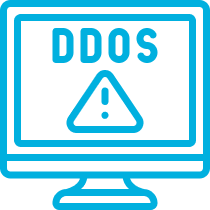
“Sam is playing an online game and wants a higher rank. Sam sends a DDoS attack to crash their opponent’s connection, so she wins and gets a better rank.”
Sam is not just playing a game. She has broken the law:
- Article 2:70 of the criminal code of Sint Maarten: Anyone who intentionally and unlawfully obstructs access to or the use of an automated system by offering or sending data to it, shall be liable to a term of imprisonment not exceeding one year or a fine of the third category.
- Article 144b of the criminal code of the Caribbean Netherlands: Anyone who intentionally and unlawfully obstructs access to or the use of an automated system by offering or sending data to it, shall be liable to a term of imprisonment not exceeding one year or a fine of the fourth category.
- Article 2:70 of the criminal code of Aruba: Any person who intentionally and unlawfully obstructs access to, or the use of, an automated system by offering or transmitting data thereto shall be liable to a term of imprisonment not exceeding two years or a fine of the fourth category.

“Eric logs in to a friend’s social media account without permission and posts something as a prank”
Eric is not just playing a prank but has broken the law:
- Article 2:69 of the criminal code of Sint Maarten: Anyone who intentionally and unlawfully gains access to an automated system, or to a part thereof, shall be liable, as guilty of hacking, to a term of imprisonment not exceeding one year or a fine of the third category. Access shall in any case be deemed to have been unlawfully obtained if access to the system was gained:
- a. by breaching a security measure;
- b. by a technical intrusion;
- c. by means of false signals or a false key; or
- d. by assuming a false identity.
- Article 144a of the criminal code of the Caribbean Netherlands: Anyone who intentionally and unlawfully gains access to an automated system, or to a part thereof, shall be liable, as guilty of hacking, to a term of imprisonment not exceeding one year or a fine of the fourth category. Access shall in any case be deemed to have been unlawfully obtained if access to the system was gained:
- a. by breaching a security measure;
- b. by a technical intrusion;
- c. by means of false signals or a false key; or
- d. by assuming a false identity.
-
Article 2:69 of the criminal code of Aruba: Anyone who intentionally and unlawfully gains access to an automated system or a part thereof shall be punished, as guilty of computer trespass, with a custodial sentence of no more than two years or a fine of the fourth category. Access shall in any case be deemed to have been obtained if entry into the system was gained:
- a. by breaking through a security measure;
- b. by means of a technical intervention;
- c. with the aid of false signals or a false key; or
- d. by assuming a false identity.

Did you know that everything leaves a digital footprint in the online world? Would you like to know more about what is legal and illegal online?
If you are in doubt, ask your parent(s)/guardian) or a trusted adult for help.
Are you interested in building your digital skills safely, responsibly and legally?
Want to try something new, or find out how your digital interests could turn into a real job? Check out the resources available at*:
Keeping cyberspace safe!
This campaign is led by the International Cyber Offender Prevention Network (InterCOP). InterCOP is an international network of law enforcement agencies that focus on the prevention of cybercrime. This campaign and InterCOP are co-funded by the European Union.

* The resources listed on this page are third-party initiatives selected because they are freely and publicly accessible. We are not affiliated with, and are not responsible for, the content, availability, security, or privacy practices of these external websites or platforms. Please review each provider’s terms of service and privacy policy before use.