
Before you click,
know what’s at stake!
You have a bright future ahead. Just make sure you understand the boundaries online.


Distributed Denial of Service (DDoS) attacks and similar types of cyberattacks are considered criminal offenses under the Criminal Code of Canada. It is also illegal to use stresser or booter services.
Still going to launch that DDoS?
Law enforcement agencies take cybercrime seriously. It doesn’t matter where you are in the world or how it happens, law enforcement works together internationally to track cybercrime and stop it.
Damage
Additionally, a DDoS attack can cause serious harm to people and companies:
- Emergency services are unreachable;
- Telecom/ internet service providers are offline;
- Financial damage for companies.
Report
Have you been involved in a DDoS attack, or do you have information to share anonymously with the police? Report it here:
- your local police
- the National Cybercrime Coordination Centre (NC3) and the Canadian Anti-Fraud Centre (CAFC) using their new Online Reporting System or by phone at 1-888-495-8501
Legal or illegal?
Would you like to know more about what is legal and illegal online?
If you are in doubt ask your parent(s)/guardian(s) or a trusted adult for help. You can also visit Cybercrime | Royal Canadian Mounted Police for more information.
Getting involved in cybercrime? Think about the consequences:
- Conviction: You could get a fine, community service, or a prison sentence;
- Criminal record: This makes it harder to find an internship or job and you may be denied entry to certain countries;
- Tools: Your computer and/or phone will be seized and your future internet and computer usage can be restricted.
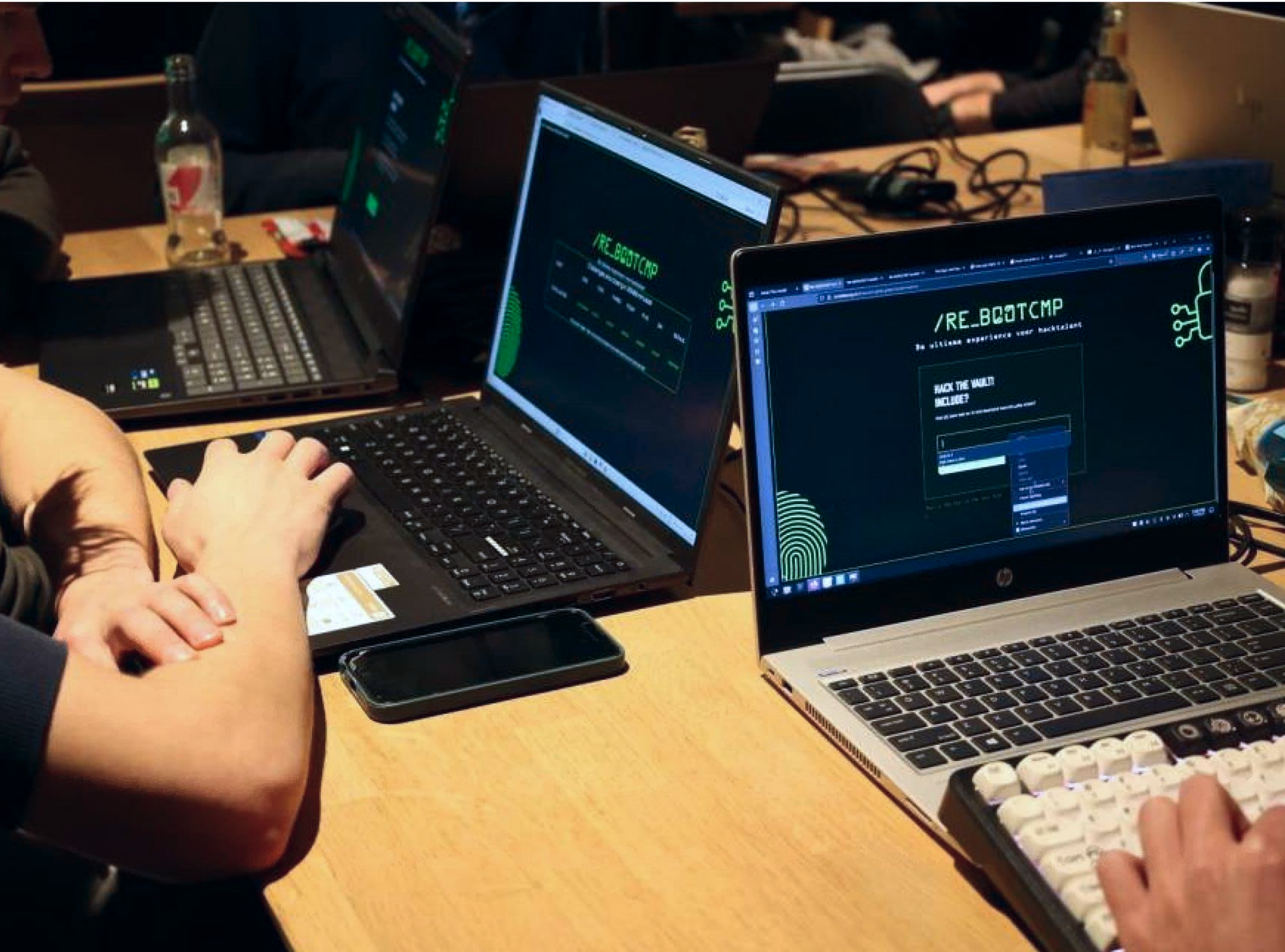
Are you interested in building your digital skills safely, responsibly and legally?
Want to try something new, or find out how your digital interests could turn into a real job? Check out the initiatives below!*
-
RCMP Careershttps://rcmp.ca/en/careers-rcmp
-
Government of Canada Jobshttps://www.canada.ca/en/services/jobs/opportunities/government.html
-
Canadian Centre for Cyber Security's Career Guidehttps://www.cyber.gc.ca/en/guidance/cyber-security-career-guide#pathways
-
Public Safety Canada's Cyber Careershttps://www.publicsafety.gc.ca/cnt/ntnl-scrt/cbr-scrt/cbr-crr-wrnss/index-en.aspx
Western Canada (BC, Alberta, etc.)
https://www.sait.ca/programs-and-courses/degrees/bachelor-of-technology-cyber-security
https://albertaeducationalcentre.com/our-programs/cybersecurity-specialist-diploma/
https://www.bowvalleycollege.ca/program-list
https://www.robertsoncollege.com/programs/cyber-cloud-security/
https://www.abmcollege.com/calgary/technology-programs/cybersecurity-diploma
https://www.bcit.ca/programs/industrial-network-cybersecurity-diploma-full-time-5265dipma/
Atlantic / Eastern Canada
Bachelor of Applied Information Technology: Systems and Network Cybersecurity
College of the North Atlantic (NL)
Cyber Security & System Management (2-year Advanced Diploma)
Atlantic Business College (NB)
Central Canada (Ontario & Quebec)
Cyber Hub
University of Ottawa
Certificate in Applied Cybersecurity
McGill University (Continuing Studies)
Cyber Security Analysis, Graduate Certificate
Algonquin College
Cybersecurity, Graduate Certificate (1-year)
Centennial College
Cyber Security Program (Postgraduate Certificate, T433)
George Brown College
Cybersecurity & Threat Management (8-month)
Seneca Polytechnic
Cybersecurity Graduate Certificate
Cambrian College
Cybersecurity Proficiency Certificate (non-technical)
Concordia University Continuing Education
Cyber Security (Ontario College Graduate Certificate, online/part-time)
Lambton College
Full-time Graduate Certificate in Cybersecurity
St. Lawrence College (Kingston)
Cybersecurity Program (8-month, full-time)
Durham College
Cybersecurity Specialist (ACS) Program
CDI College, Quebec
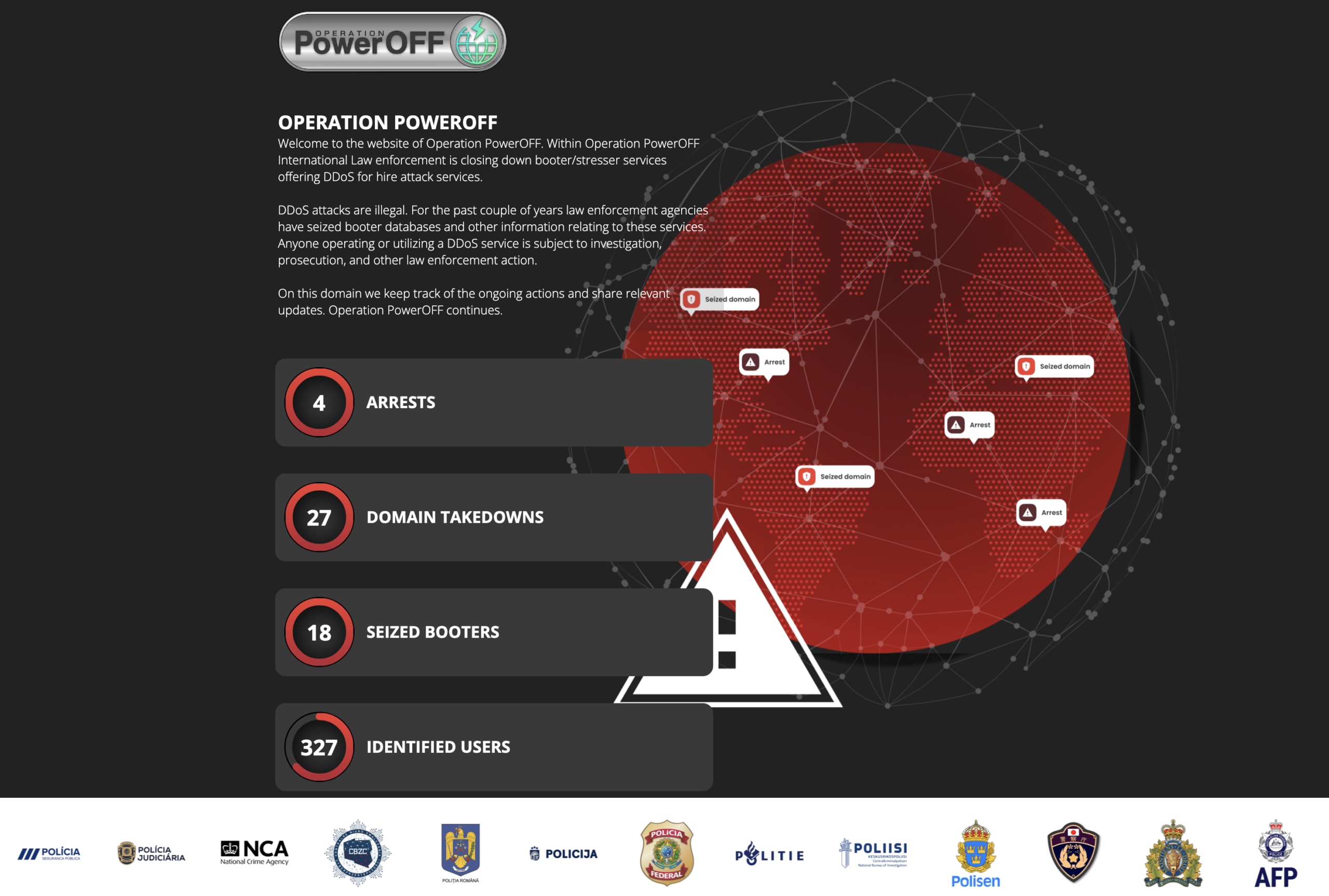
Example of international law enforcement investigation: OPERATION POWEROFF
Within Operation PowerOFF international law enforcement is closing down booter/stresser services offering DDoS for hire attacks.
DDoS attacks are illegal. For the past couple of years law enforcement agencies have seized booter databases and other information relating to these services. Anyone operating or utilizing a DDoS service is subject to investigation, prosecution, and other law enforcement action.
Keeping cyberspace safe!
This campaign is led by the International Cyber Offender Prevention Network (InterCOP). InterCOP is an international network of law enforcement agencies that focus on the prevention of cybercrime. This campaign and InterCOP are co-funded by the European Union.

* The resources listed on this page are third-party initiatives selected because they are freely and publicly accessible. We are not affiliated with, and are not responsible for, the content, availability, security, or privacy practices of these external websites or platforms. Please review each provider’s terms of service and privacy policy before use.